Main Menu

About Us
Latest News
.png)
.png)
Not Available previous
Not Available next

Is financing gold production a good investment? Understanding the $6.5 Billion Golden Gap
06.02.2026
· Smaller gold-producing businesses face an estimated $6.5 billion annual funding gap
· Banks are pulling back from financing parts of the gold market along with SMEs
· New models allow investors to access gold through supply agreements
Gold is currently enjoying an unprecedented bullrun. Prices surged over 55% in 2025, reaching an all-time high above $5,500 in January 2026. As global demand pushes the market value beyond $550 billion, investors are left with a pressing question: Is gold still a good investment, or have I missed the boat?
The answer may not just depend on where the gold price goes next, but in how you access the gold market and which segment you choose to back.
The $6.5 billion gap in gold production financing
Gold doesn’t appear out of nowhere. It must be mined, processed and distributed.
While large mining companies often dominate headlines, mid-tier and smaller producers account for around 20% of global gold production — representing more than $100 billion in value each year.
However, many of these smaller gold-producing businesses struggle to access the funding required to scale their production. In recent years, traditional banks have retreated from SME commodity financing due to stricter regulations and shifting risk appetites. Their lending to parts of the commodities sector, including gold producers, has retreated.
The result is what some in the gold business are calling the “Golden Gap” — an estimated $6.5 billion annual shortfall in funding for smaller gold producers.
In simple terms: demand for gold is strong and persistent, but the producers responsible for 20% of the supply lack the capital to grow.
Is gold a good investment — and which type of gold?
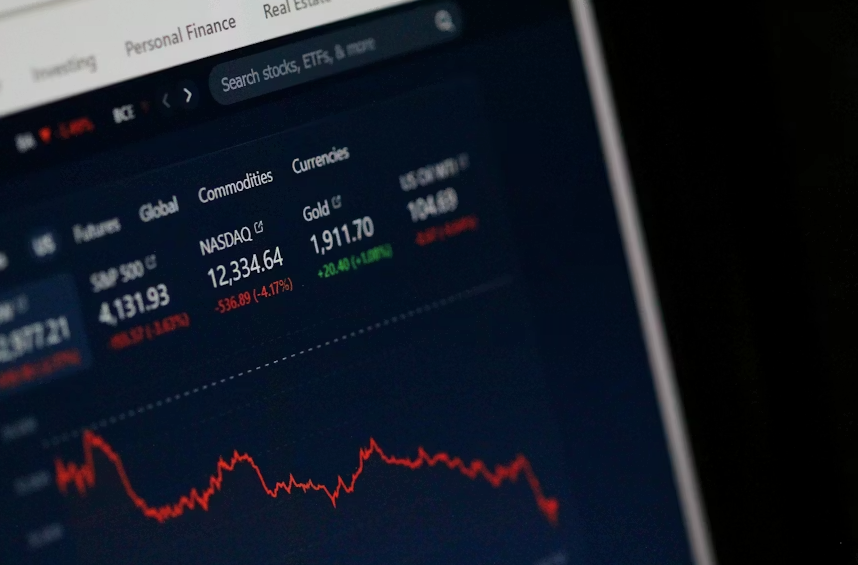
When people think about investing in gold, most investors default to three traditional values:
· Physical Bullion: High security and storage costs
· Gold ETFs: Paper representation of gold price movements
· Mining Equities: Volatile stocks tied to company management and broader market sentiment
All these options are closely linked to the gold price. If prices rise, returns may follow. If prices fall, values can drop.
However, a more structural approach is emerging within the gold supply chain itself. Specifically, how gold producing businessesare financed.
A different way to access gold
Instead of speculating on whether gold will hit £6,000 or retreat to £4,000, new funding models allow investors to provide capital directly to established gold-producing businesses. In return, those businesses agree to supply gold at a fixed percentage discount to the market price over a set period.
By focusing on the discount margin rather than the spot price, investors can achieve a more structured risk profile. Returns are driven by the movement of physical gold through the supply chain, rather than the emotional highs and lows of the trading floor.
Why the ‘Golden Gap’ matters now
In an era of economic uncertainty, the shift toward tangible, "real" assets is accelerating.
But strong prices alone do not tell the full story.
The bigger shift is happening behind the scenes — in how gold production is financed. As traditional banks step back, alternative capital often steps in. This creates new and unique opportunities, particularly in parts of the market that have been overlooked.
As interest in gold continues, opportunitieslie not only in the price of the metal — but in the infrastructure that brings itto market.
To learn more about how you can gain access to the ‘business of gold’, speak to Nuway Capital about our partnership with SigraFi, a company established to address this $6.5bn opportunity: visit https://www.nuwaycapital.com/sigrafi and download your brochure today.
---
This article is for informational purposes only and does not constitute investment advice.



.png)
.png)